
Messor — harvester ants
Harvester ants live on seeds and store them in the nest. One of the best genera for a first colony.
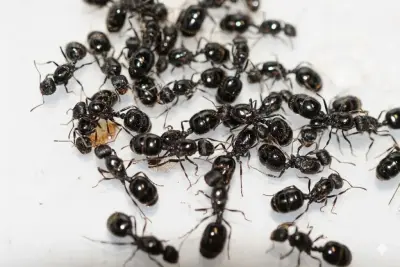
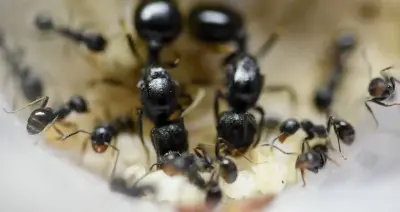
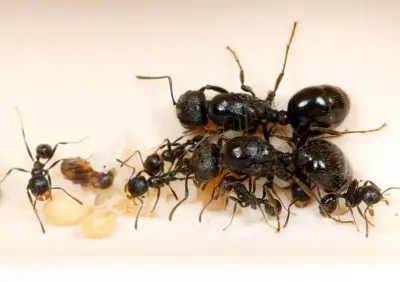
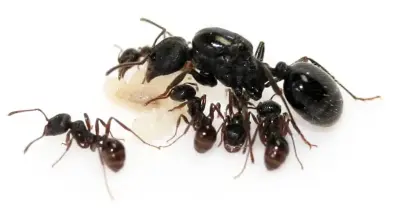
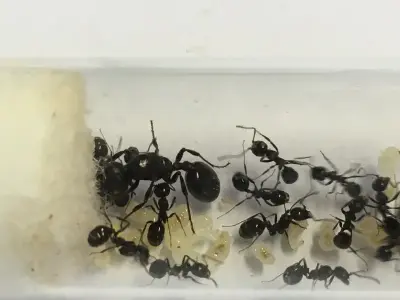
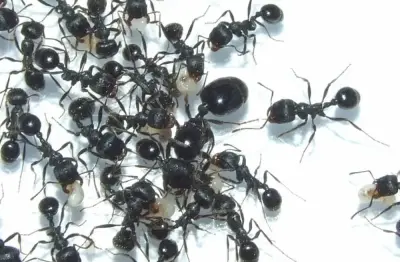
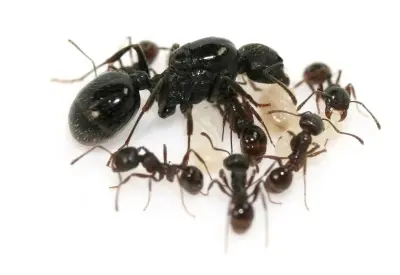
Messor muticus — steppe harvester ant — 1 queen and 11–20 workers
ANTMART SKU: SKU-M-024-03
250.00
UAH
In stock
Messor muticus — steppe harvester ant — 1 queen and 2–10 workers
ANTMART SKU: SKU-M-024-02
200.00
UAH
In stock
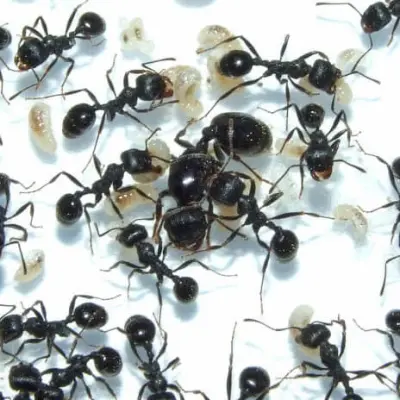
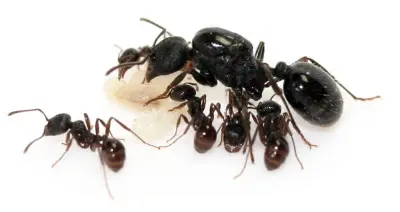
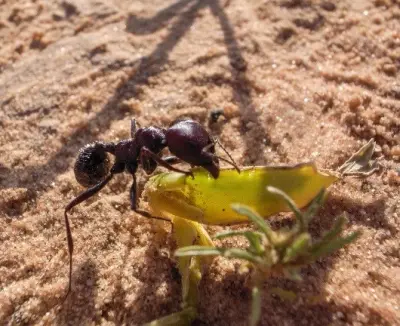
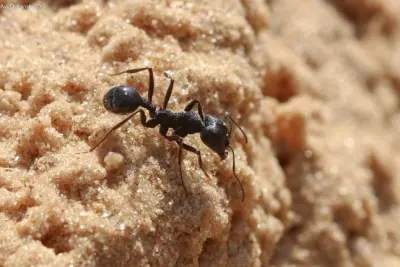
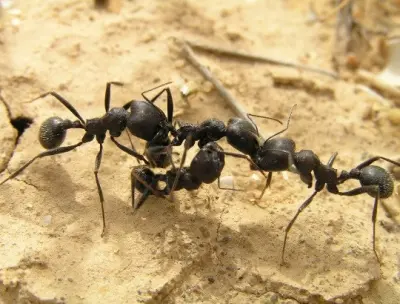
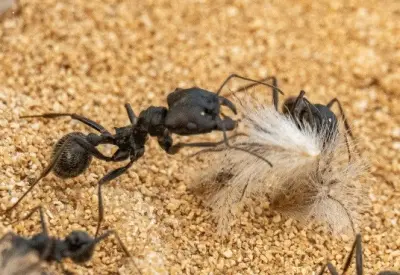
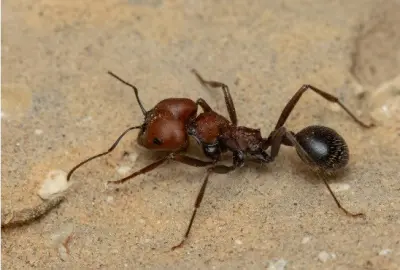
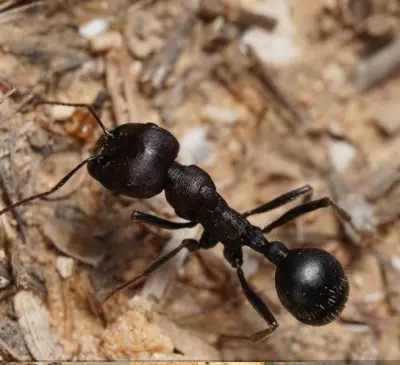
Messor arenarius — large harvester ant — 1 queen and 2–5 workers
ANTMART SKU: SKU-M-020-2
9 000.00
UAH
In stock
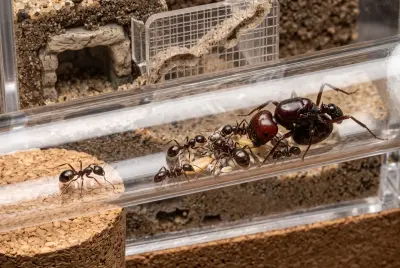
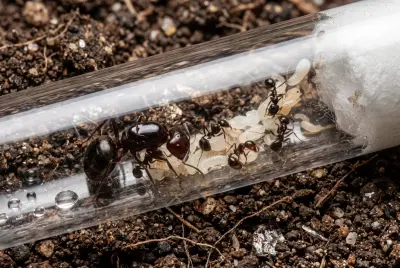
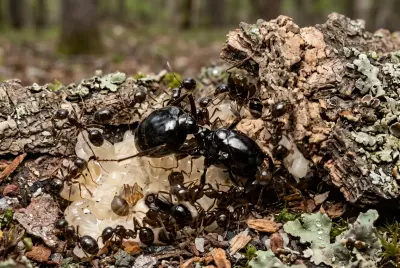
Messor galla — African harvester ant — 1 queen and 3–10 workers
ANTMART SKU: SKU-M-082-2
4 500.00
UAH
Out of stock
View details: Messor galla — African harvester ant — 1 queen and 3–10 workers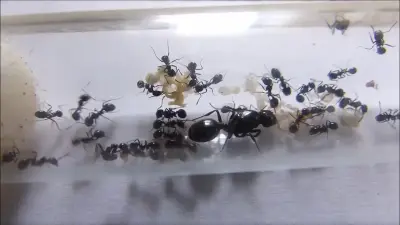
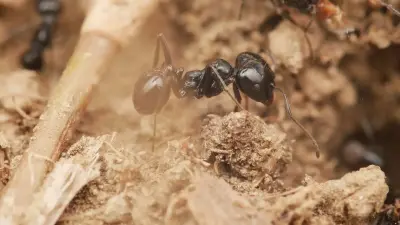
Messor bouvieri — glossy harvester ant — 1 queen and 2–10 workers
ANTMART SKU: SKU-M-033-02
900.00
UAH
Out of stock
View details: Messor bouvieri — glossy harvester ant — 1 queen and 2–10 workersWhy harvester ants are interesting
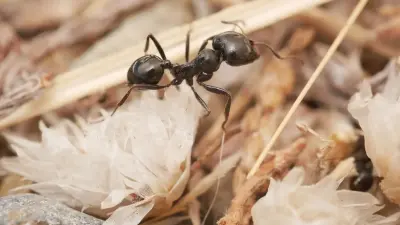
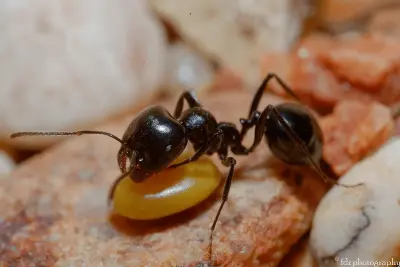
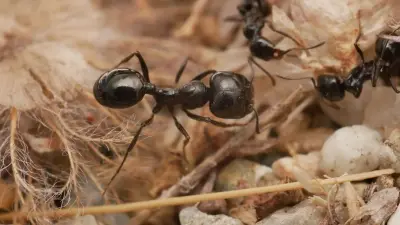
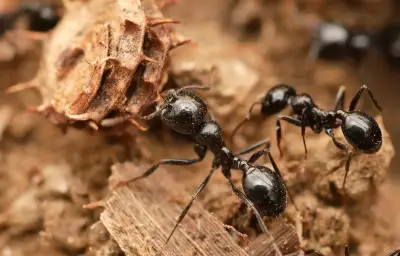
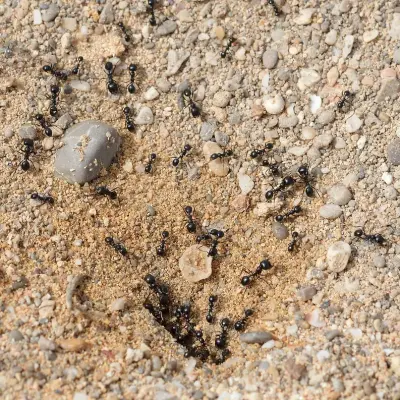
Messor is a genus of ants that get most of their diet from seeds. Workers gather grains and carry them into dry granary chambers, and large-headed workers crack the hard husks. That is why workers in one colony vary so much in size: small and large ants work side by side, which is fascinating to watch.
Care
- Food: a mix of small seeds as the staple, plus a few insects several times a week, especially while the colony has larvae.
- Water: constant access to water; keep seeds dry, as damp grains go mouldy inside the nest.
- Farm: a dry area for the granary and a moist area for the brood; large workers can chew through soft materials.
- Hibernation: most species of the genus come from temperate and Mediterranean climates and need a cool winter rest. Tropical species such as the East African Messor cephalotes are kept without hibernation.
Choosing a species
For a first colony, keepers usually pick Messor barbarus or Messor structor: both are hardy and grow quickly. Large tropical species are impressive, but they need warmth all year and a sturdy farm. Each species page describes its specifics.