
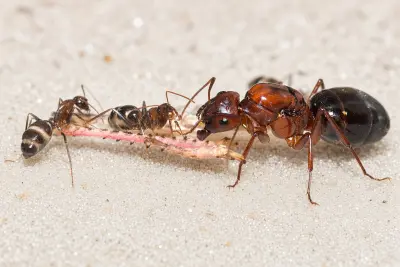
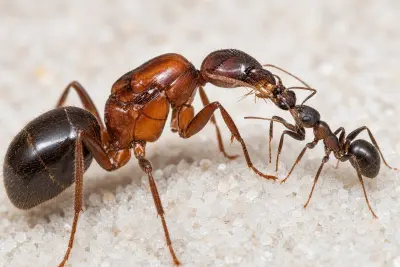
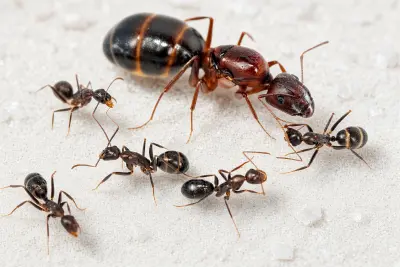
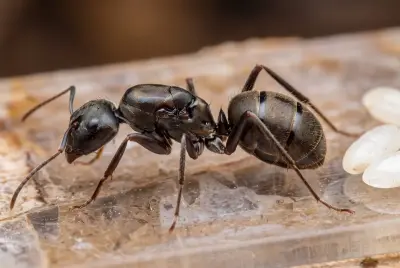
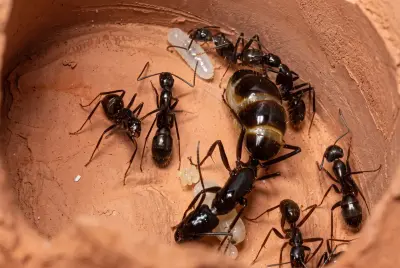
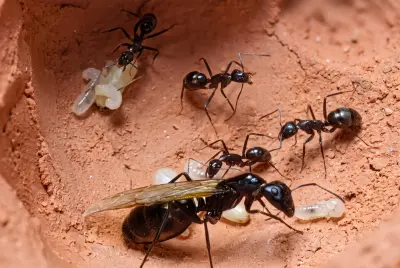
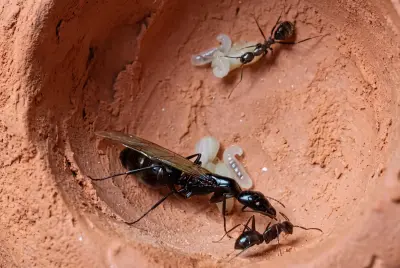
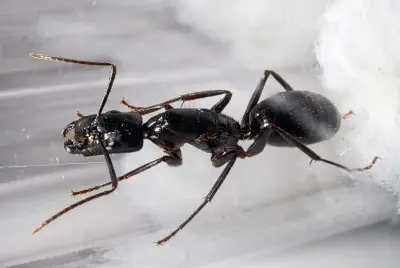
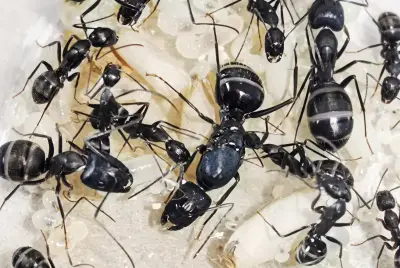
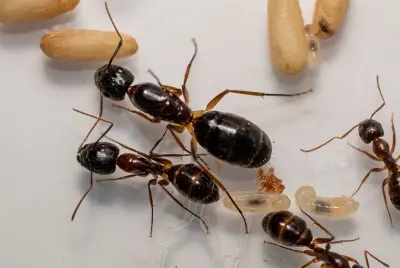
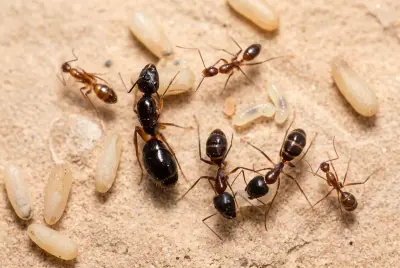
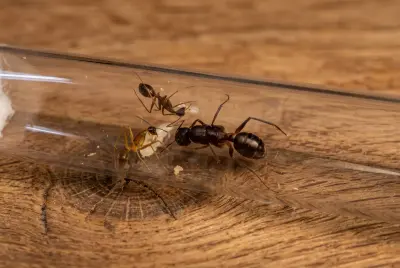
Camponotus turkestanicus — Turkestan Carpenter Ant — 1 queen and 3–10 workers
ANTMART SKU: AM-CAMPONOTUS-TURKESTANICUS-2
600.00
UAH
In stock
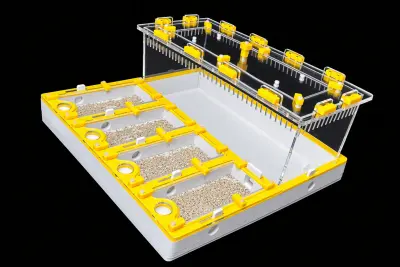
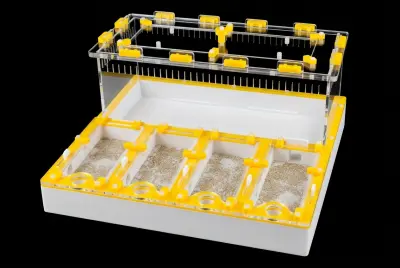
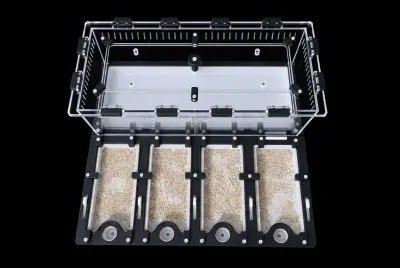
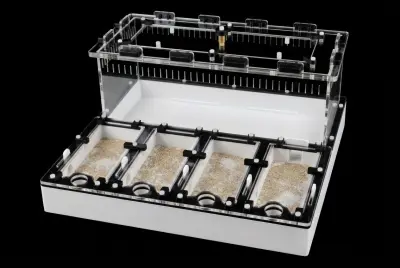
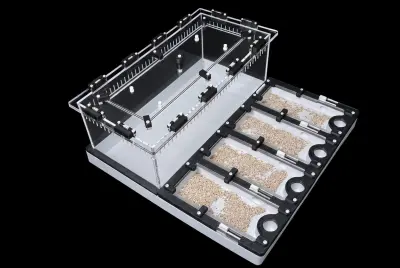
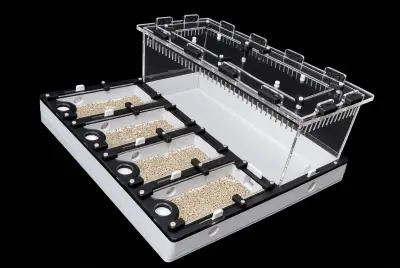
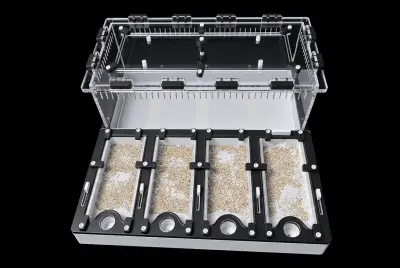
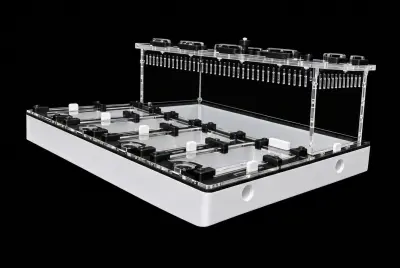
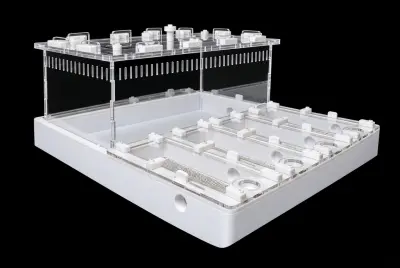
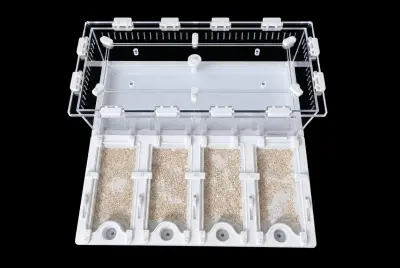
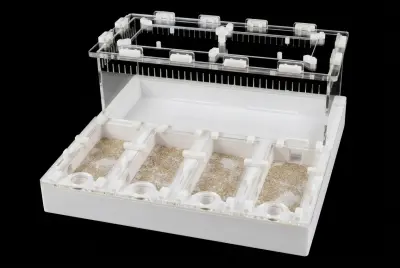
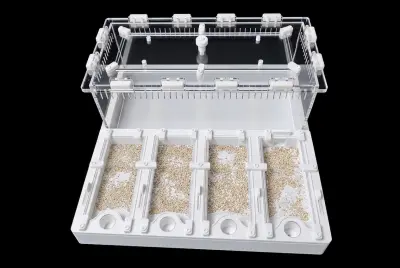
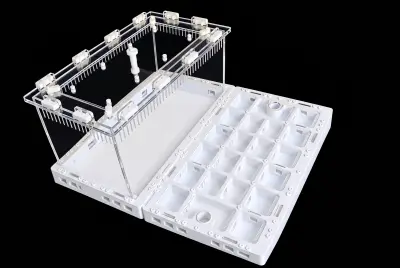
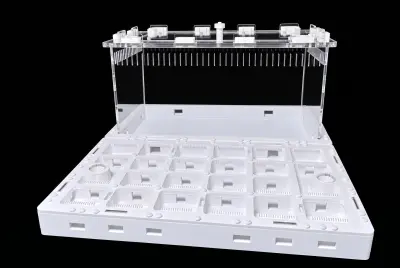
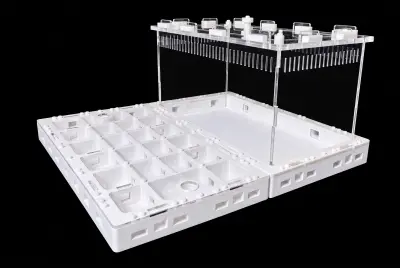
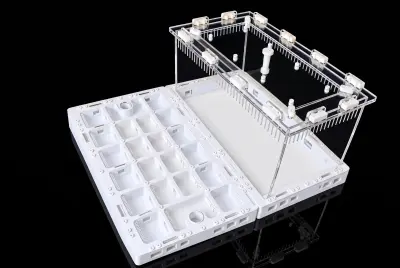
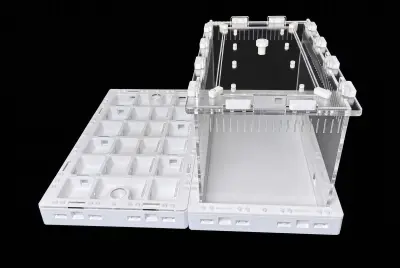
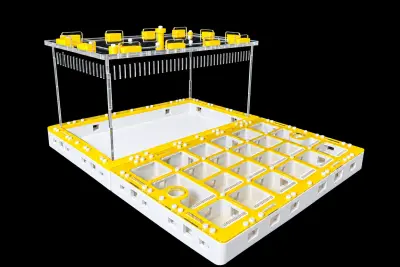
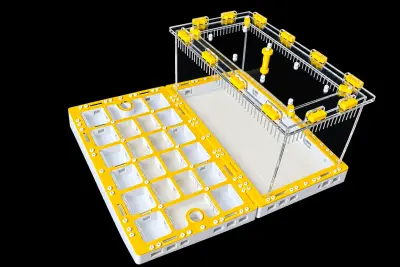
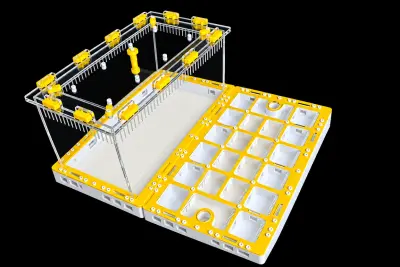
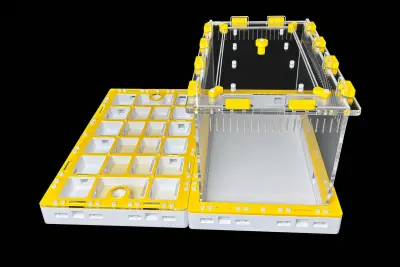
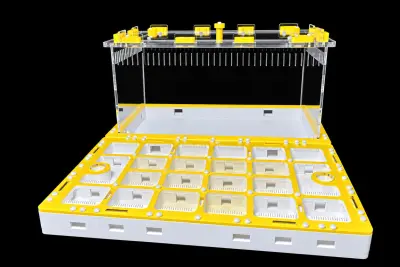
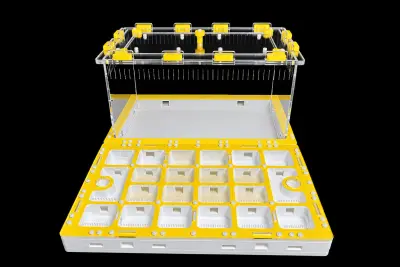
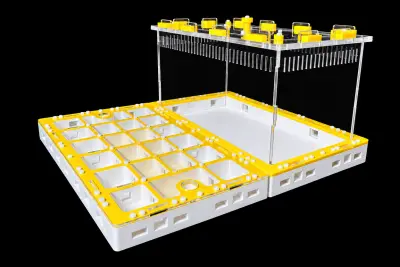
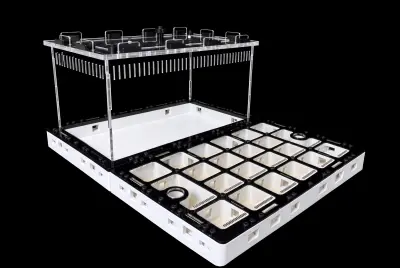
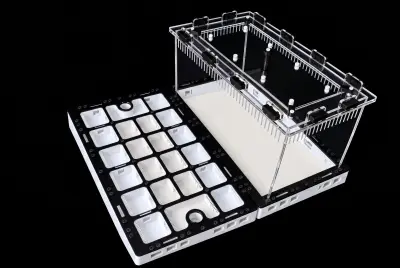
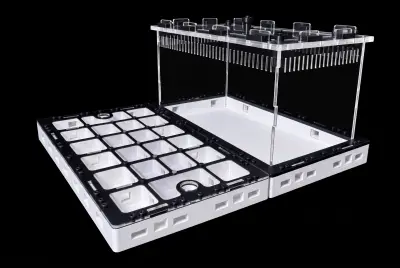
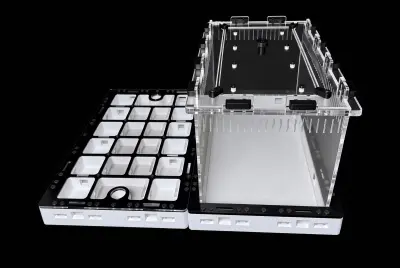
An ant farm is a whole society behind glass: a queen, workers, brood and rules of its own. You can watch it for years, and care takes a few minutes a week.
In stock
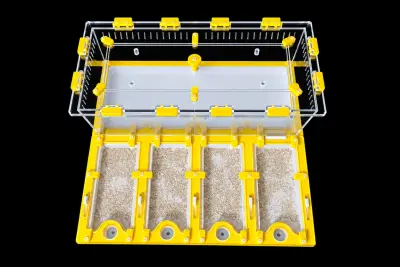
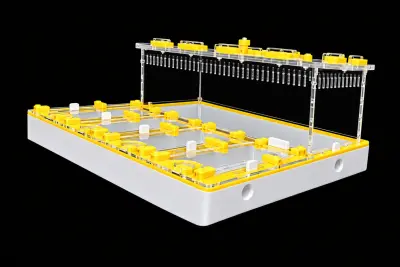
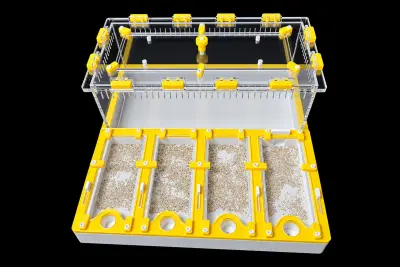
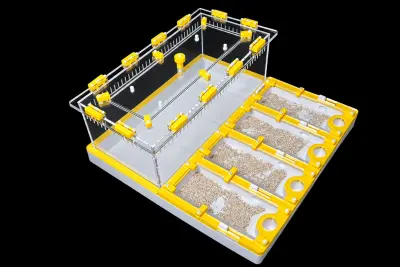
In stock

In stock
In stock

In stock

In stock




In stock
In stock
In stock
In stock
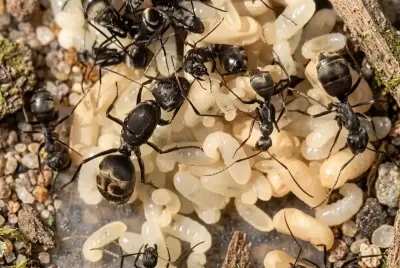
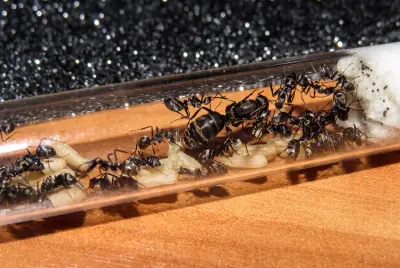
An ant colony is not a bunch of insects but a well-coordinated organism. The queen lays eggs, young workers tend the larvae, older ones head out to the arena for food, and a scout that finds food lays a scent trail and brings others to it within minutes. Harvester ants grind grain into 'ant bread', and well-fed workers share food mouth to mouth with the rest of the colony. In a clear formicarium you can see all of this every day.
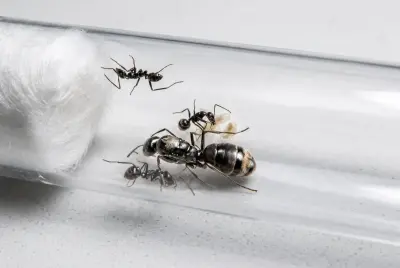
It all starts with a single queen and a handful of eggs. The first workers are small and cautious, but each month the colony grows bigger, bolder and more interesting as it settles new chambers, stores food and builds. Queens of some species live for decades: the captive record for the black garden ant is about 29 years. An ant farm is a hobby not for a week but for years.
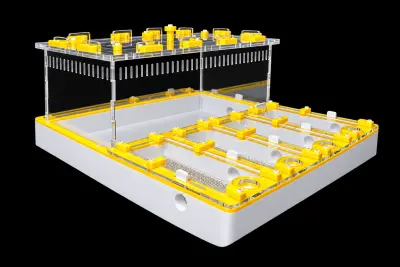
Pick a hardy species such as Messor harvester ants or Lasius garden ants. Get a young colony in a test tube, a small farm to match and the food your species eats. Temperate species need a cool winter rest while tropical ones stay warm all year, so plan for that from the start.