
Skip to content

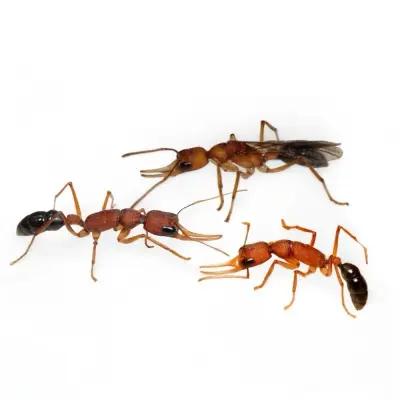
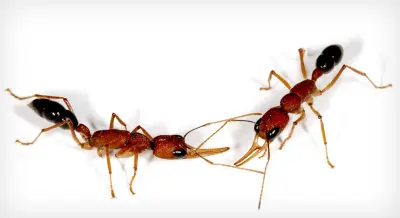
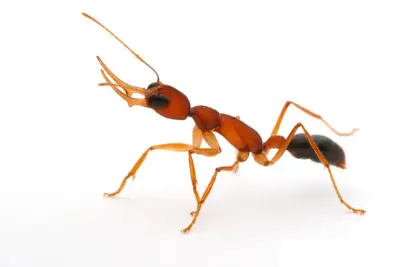
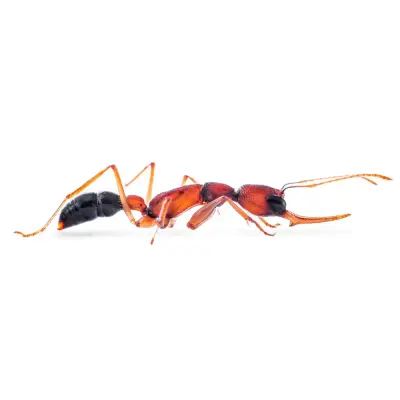
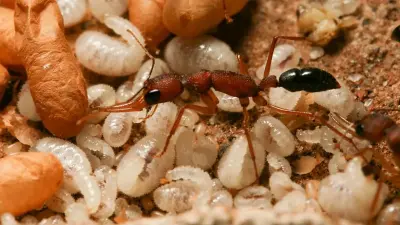
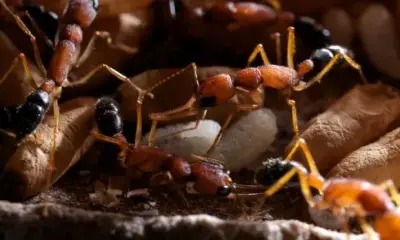
Harpegnathos saltator

The Indian jumping ant: a large hunter that leaps onto prey. Mated workers in the colony can lay eggs.

Species at a glance

  • Origin: South and Southeast Asia, from India to Thailand
  • Size: queen 18–22 mm; workers 15–20 mm
  • Colony: up to 300 ants; in captivity gamergates often fully replace the queen
  • Difficulty: high, for experienced keepers only

Care conditions

  • Temperature: 22–30 °C
  • Humidity: 60–80%
  • Food: live or freshly killed insects almost daily, as these hunters react to moving prey; an occasional drop of diluted honey

Hibernation

Not needed: the colony stays active all year.

Farm and colony growth

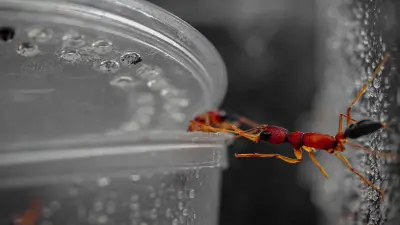
The queen is semi-claustral: until the first workers appear she hunts herself, so she needs a small arena and small prey every 2–3 days. Workers are skilled escapers: use a tight lid, fine mesh on the vents and an anti-escape barrier on the arena walls.

Safety

Workers sting, and the sting is painful. Do not handle the ants, use long forceps, and if you are allergic to bee or wasp stings, choose another species.

Catalog

Go to catalog